
Nestled between the snow-capped Rwenzori Mountains and the shimmering waters of Lake Edward, Queen Elizabeth National Park is Uganda’s crown jewel for wildlife enthusiasts. This 1,978-square-kilometre sanctuary offers an extraordinary blend of ecosystems, from open savannah and humid forests to sparkling crater lakes and fertile wetlands. As one of Africa’s most biodiverse protected areas, it promises unforgettable encounters with tree-climbing lions, elephants, hippos, and over 600 bird species.
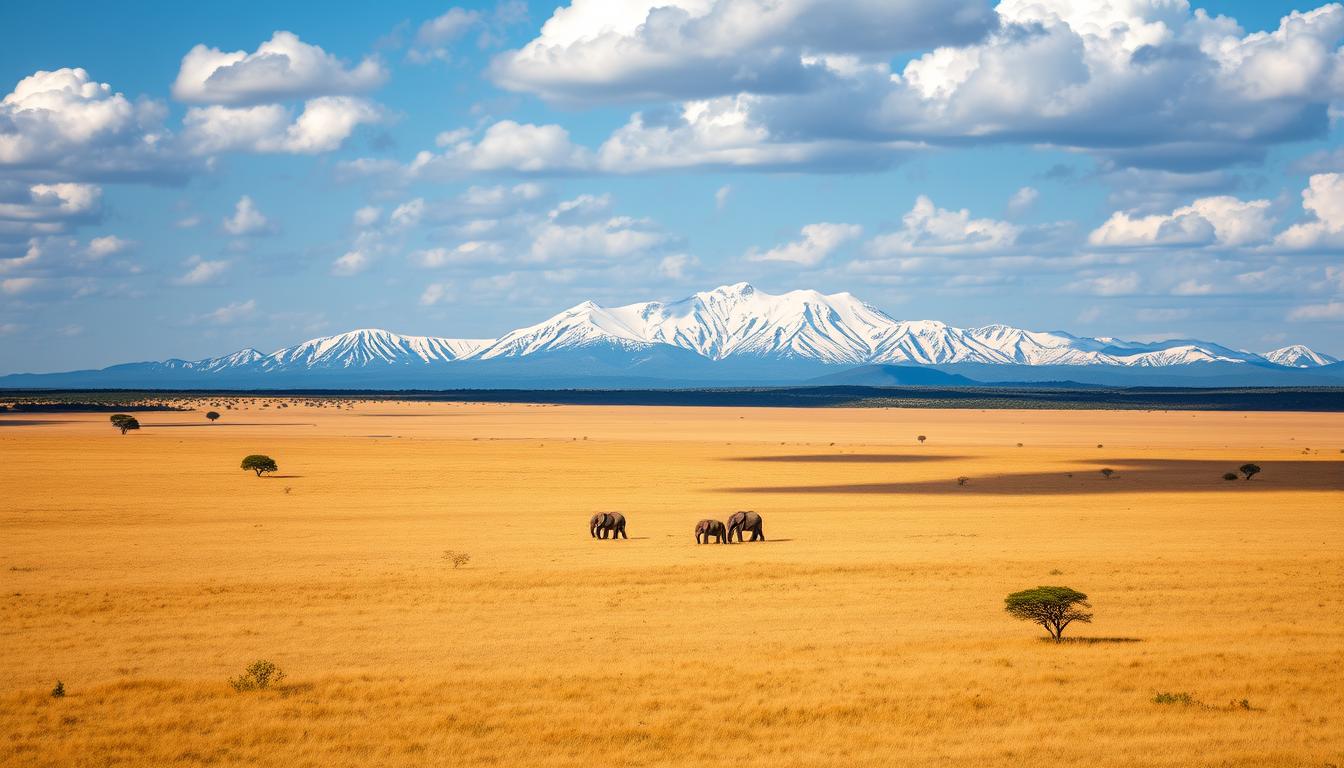
The diverse landscapes of Queen Elizabeth National Park with the Rwenzori Mountains in the background
Overview of Queen Elizabeth National Park
Established in 1952, Queen Elizabeth National Park was renamed after Queen Elizabeth II’s visit in 1954. Located in southwestern Uganda within the Albertine Rift Valley, the park is 914 meters above sea level. It forms part of an extensive system of contiguous protected areas, connecting with Kigezi Wildlife Reserve, Kyambura Wildlife Reserve, and neighbouring Virunga National Park in the Democratic Republic of Congo.
The park’s remarkable biodiversity has earned it UNESCO Biosphere Reserve status. With 95 mammal species and over 600 bird species in less than 2,000 square kilometres, it boasts one of Africa’s highest biodiversity ratings. This natural wonder is divided into several sectors, offering unique wildlife viewing opportunities and landscapes.
Plan Your Safari Adventure
Ready to explore the wonders of Queen Elizabeth National Park? Our expert guides will create a personalised safari experience tailored to your interests.
Key Attractions in Queen Elizabeth National Park
Queen Elizabeth National Park offers several iconic attractions, making it a must-visit destination for wildlife enthusiasts and nature lovers. These highlights showcase the park’s extraordinary diversity, from unique wildlife behaviours to stunning geographical features.
Tree climbing lions of Ishasha sector in Queen Elizabeth National Park lounging on a fig tree” src=”https://shekinahsafari.com/wp-content/uploads/2025/05/Tree-climbing-lions-of-Ishasha-sector-in-Queen-Elizabeth-National-Park-lounging-on-a-fig-tree-3.jpeg” alt=”Tree climbing lions of Ishasha sector in Queen Elizabeth National Park lounging on a fig tree” width=”1024″ height=”768″ />
Tree-Climbing Lions of Ishasha
The remote Ishasha sector in the southern part of the park is famous for its unique tree-climbing lions. These magnificent predators have developed the unusual behaviour of lounging in fig trees during the day’s heat. This rare phenomenon can only be observed in two places worldwide, making it a truly special wildlife experience.
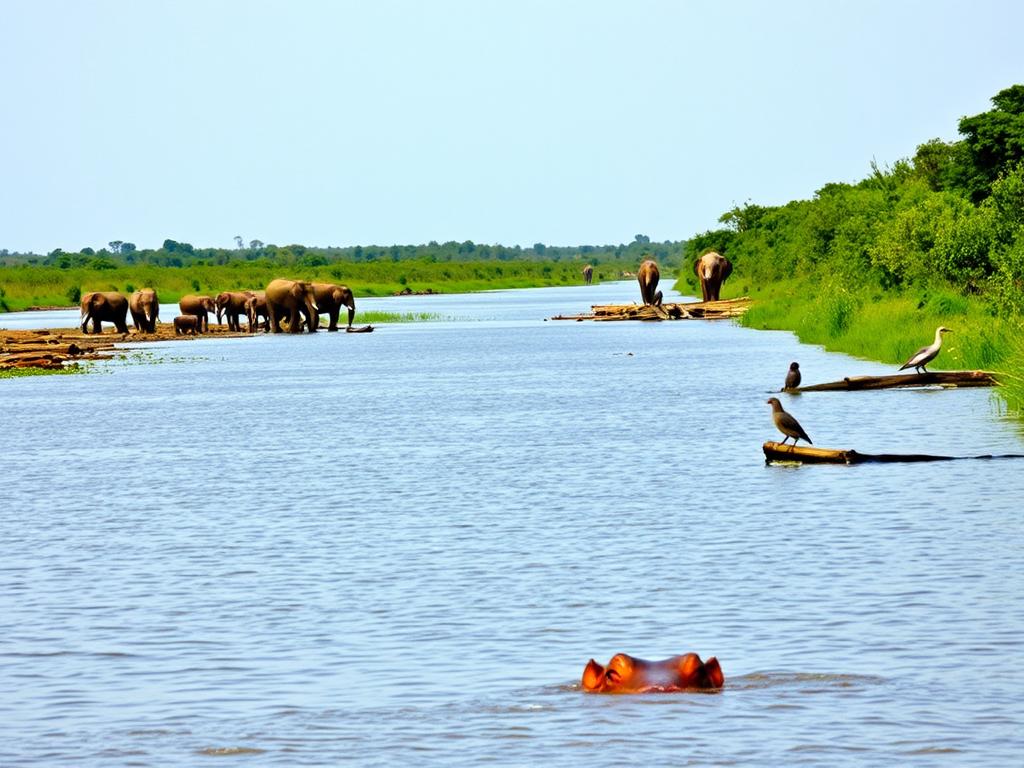
Kazinga Channel
This natural 32-kilometre waterway connects Lake Edward and Lake George, creating a wildlife highway through the park. A boat cruise along the channel offers unparalleled viewing of hippos, elephants, buffalo, and countless waterbirds. The channel boasts one of the world’s largest concentrations of hippos and is a photographer’s paradise.
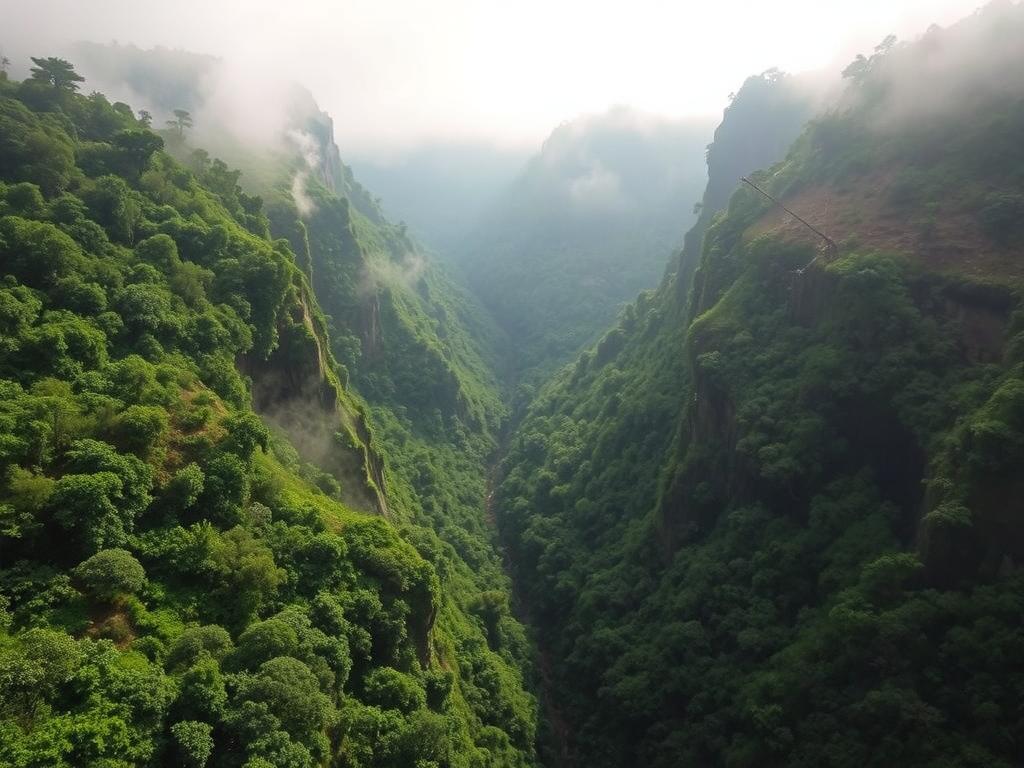
Kyambura Gorge
Often called the “Valley of Apes,” this 100-meter deep forested gorge cuts through the savannah landscape. The isolated forest within the gorge is home to a small community of chimpanzees and other primates. Tracking these chimps through the lush undergrowth offers an adventurous primate experience in a unique setting.
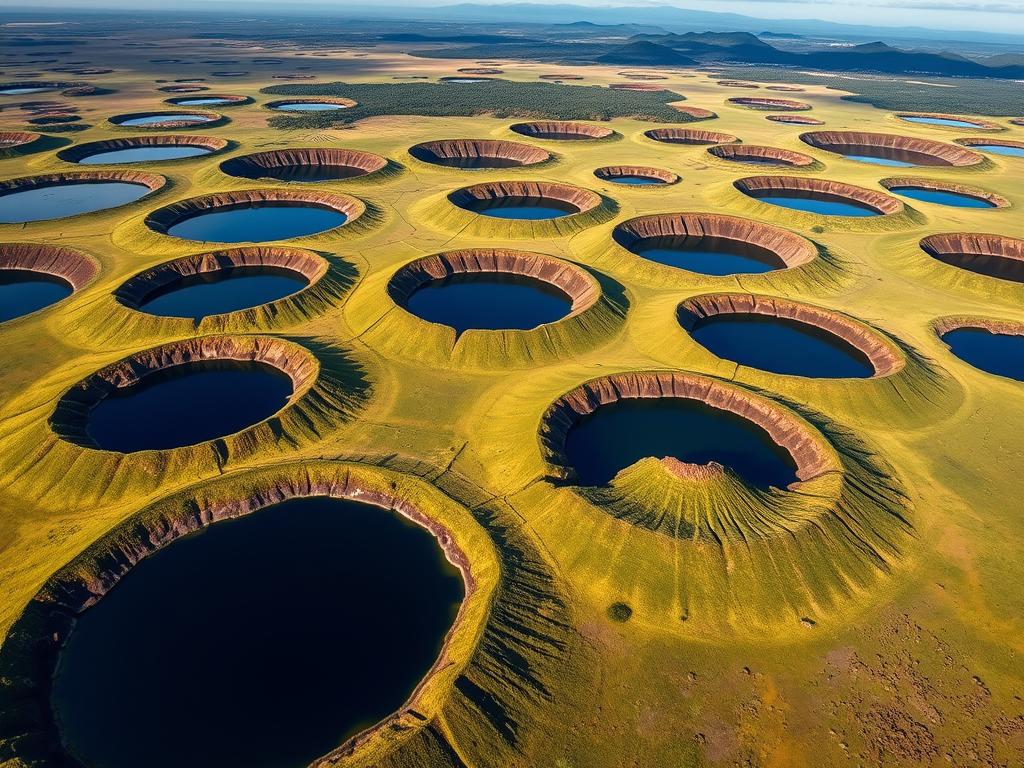
Explosion Crater Lakes
The park’s northern sector features a landscape dotted with perfectly formed crater lakes. These water-filled hollows were created by ancient volcanic activity and starkly contrast with the surrounding savannah. A walk along the crater rim offers spectacular views across the park to the Rwenzori Mountains.
Kasenyi Plains
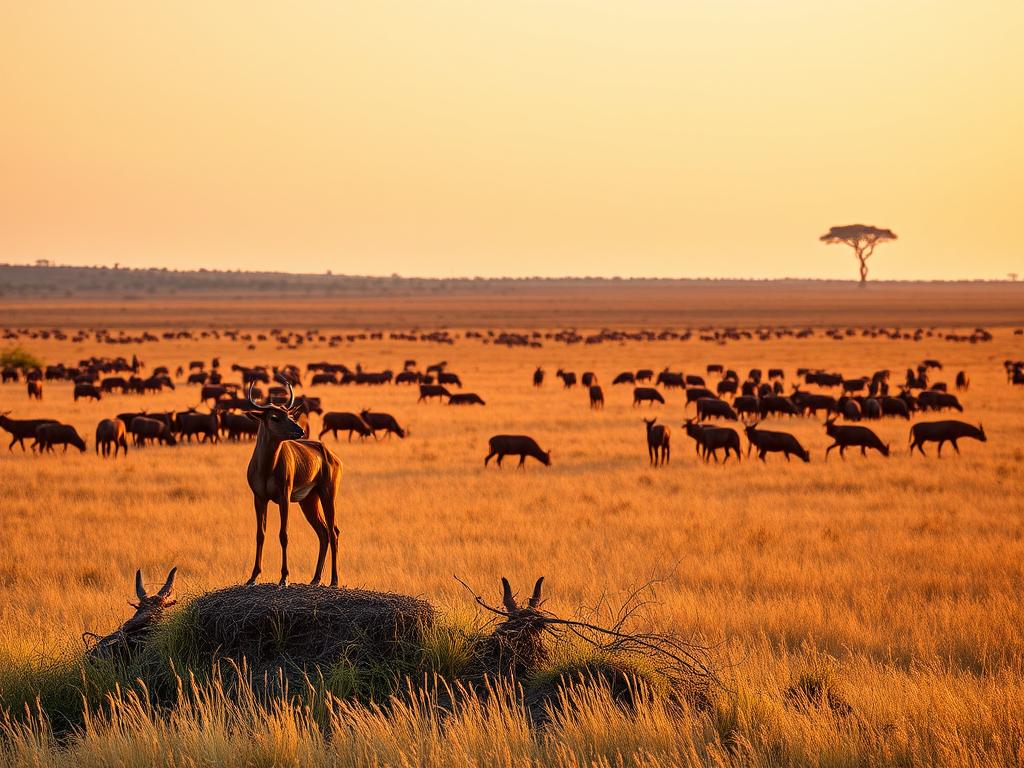
These open grasslands are the primary game viewing area in the park. The plains support large herds of Uganda kob, attracting numerous predators. Early morning game drives here offer excellent opportunities to spot lions starting their day, leopards retreating to their daytime hideouts, and diverse antelope species.

Mweya Peninsula
This stretch of land that protrudes into Lake Edward serves as the park’s main tourism hub. The peninsula offers spectacular views of the Kazinga Channel and surrounding plains. It’s home to the park headquarters and several accommodation options, making it an ideal base for exploring the park.
Experience the Kazinga Channel
Don’t miss the chance to cruise along the wildlife-rich Kazinga Channel. Our boat safaris offer the best views of hippos, elephants, and waterbirds in their natural habitat.
Wildlife in Queen Elizabeth National Park
Queen Elizabeth National Park is a haven for wildlife enthusiasts, offering some of East Africa’s most diverse animal and bird populations. The park’s varied habitats support an impressive range of species, from the iconic “Big Five” to countless smaller creatures that form this rich ecosystem.
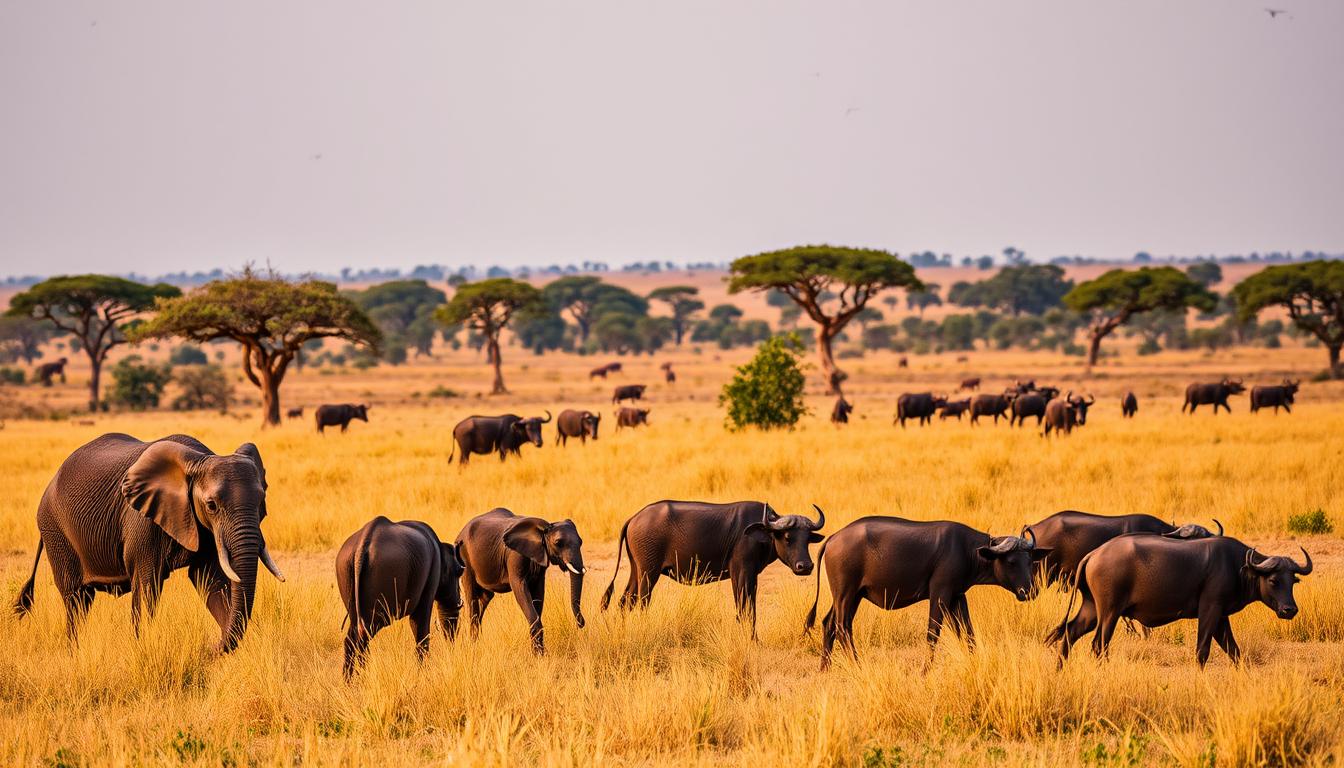
The rich biodiversity of Queen Elizabeth National Park supports numerous mammal species.
Mammals
With 95 mammal species recorded, the park offers exceptional wildlife viewing opportunities. Visitors can expect to see:
- Elephants: Large herds roam the savannah and are often seen along the Kazinga Channel
- Buffaloes: Massive herds numbering in the hundreds
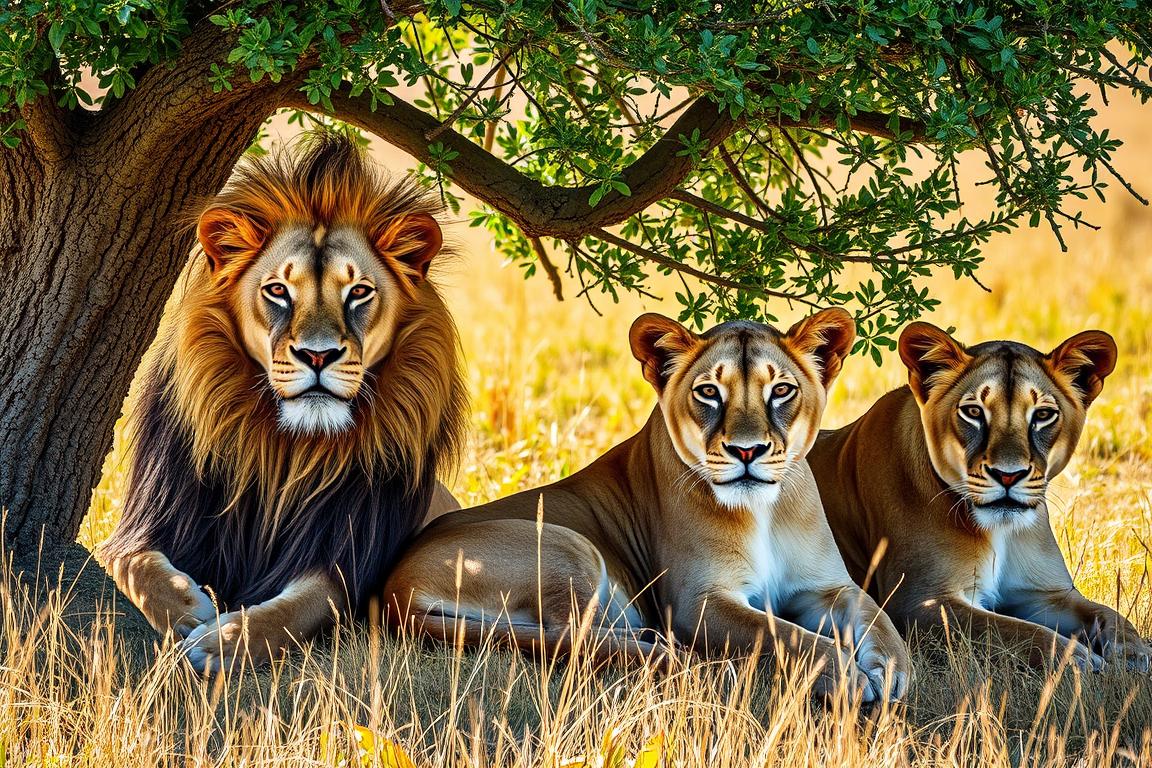
- Lions: Including the famous tree-climbing lions of Ishasha
- Leopards: Elusive but regularly spotted in early mornings and evenings
- Hippos: One of the world’s largest concentrations is found in the Kazinga Channel
- Uganda Kob: The park’s most common antelope and Uganda’s national animal
- Chimpanzees: Found in the isolated Kyambura Gorge
- Giant Forest Hog: Africa’s largest pig species
Birds
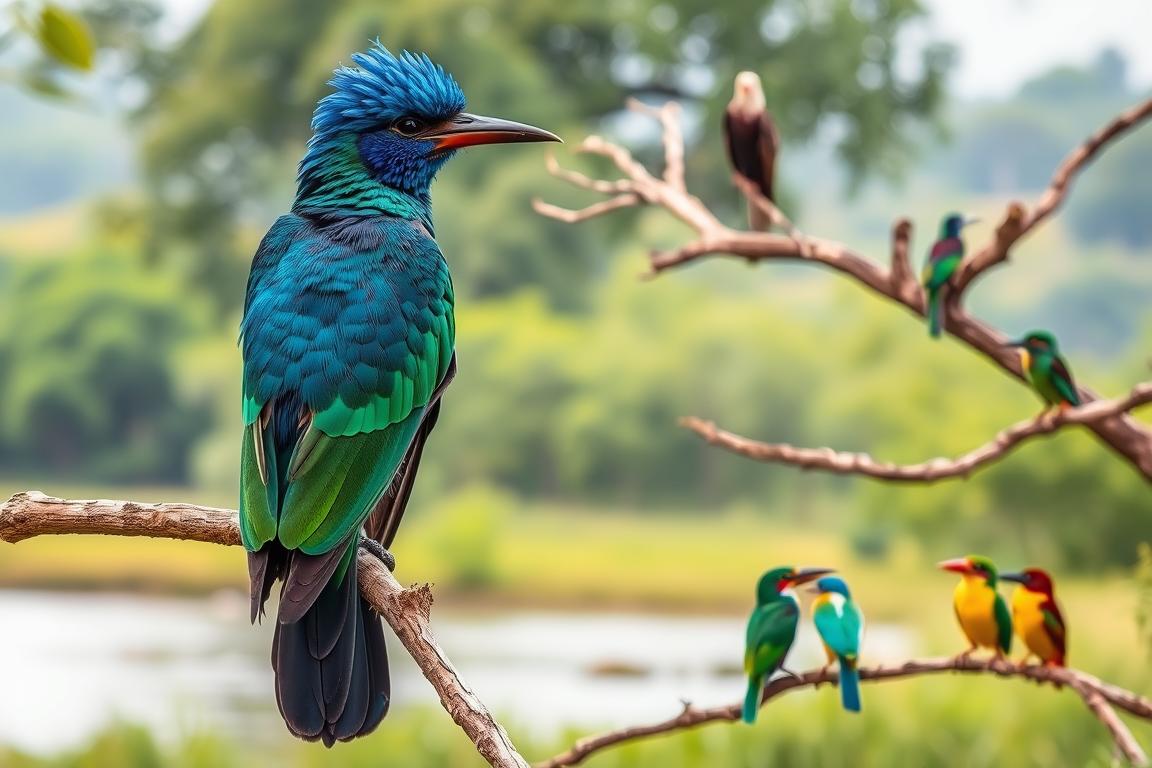
With over 600 bird species recorded, Queen Elizabeth National Park is a birder’s paradise. Key species include:
- African Fish Eagle: Often seen perched along the Kazinga Channel
- Shoebill Stork: Rare but occasionally spotted in the park’s wetlands
- Great Blue Turaco: A colourful forest species with distinctive calls
- Martial Eagle: Africa’s largest eagle species
- Pink-backed Pelican: Common along the water bodies
- Black Bee-eater: A forest specialist with striking colouration
- Papyrus Gonolek: Found in the park’s wetland areas
- Grey-crowned Crane: Uganda’s national bird
Reptiles and Other Wildlife
The park is also home to numerous reptile species, including Nile crocodiles, monitor lizards, and snake species. The diverse habitats support countless smaller creatures, from butterflies and insects to amphibians, all of which play vital roles in this complex ecosystem.
Activities in Queen Elizabeth National Park
Queen Elizabeth National Park offers various activities that cater to different interests and allow visitors to experience the park’s diverse attractions. From traditional game drives to unique cultural experiences, there’s something for everyone.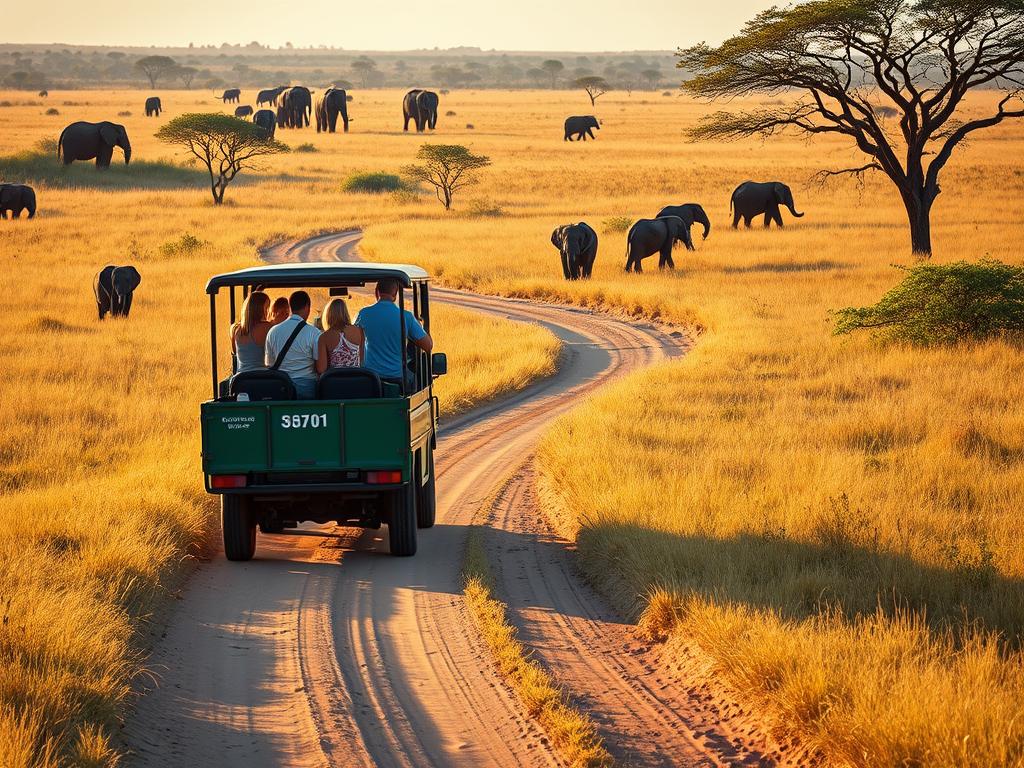
Game Drives
Early morning and late afternoon game drives offer the best wildlife viewing opportunities. The Kasenyi Plains are excellent for lion sightings, while the Ishasha sector is famous for tree-climbing lions. Experienced guides help track animals and share insights about the park’s ecosystem.
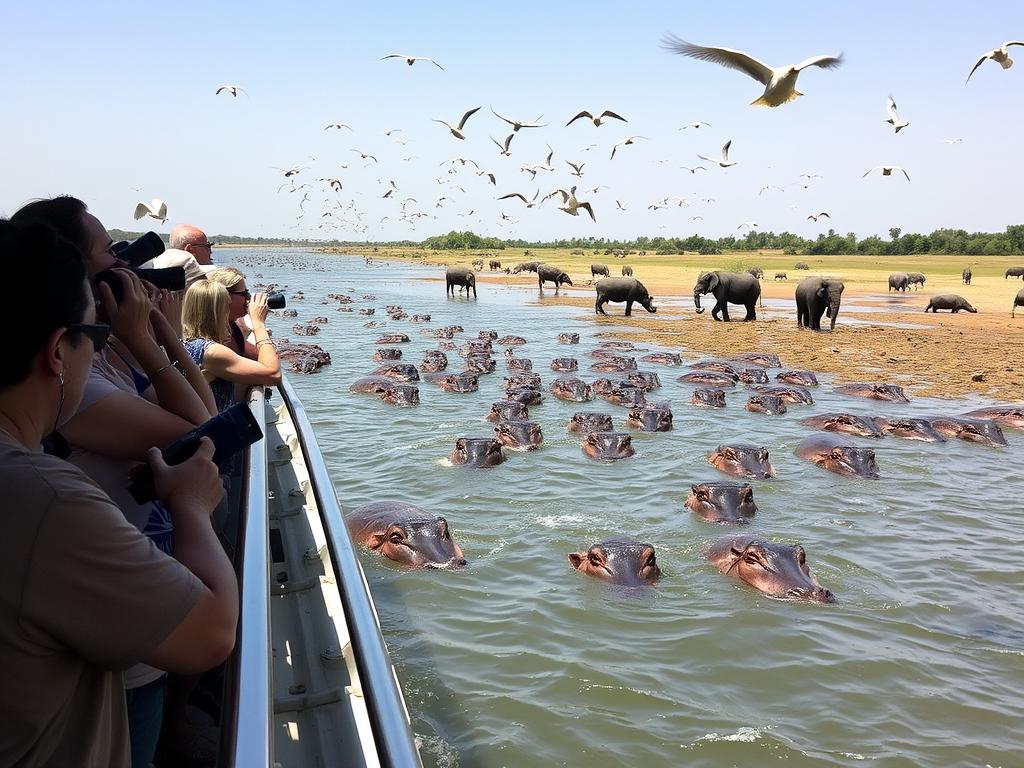
Boat Cruises
One of the park’s most popular activities is the 2-hour boat cruise along the Kazinga Channel. These cruises offer close encounters with hippos, crocodiles, elephants, and numerous bird species. Departures are available from Mweya Peninsula at 9AM, 11AM, 3PM, and 5PM.
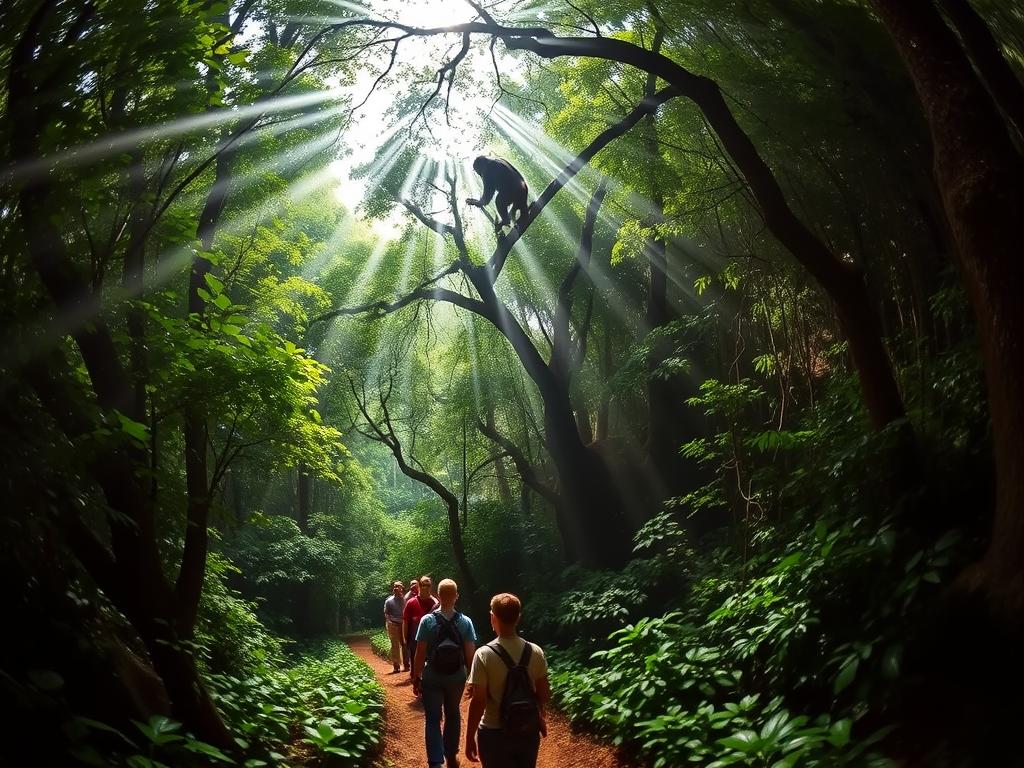
Chimpanzee Tracking
Kyambura Gorge offers the opportunity to track habituated chimpanzees in their natural habitat. These guided walks last 3-5 hours and provide insights into the behaviour of our closest relatives. Early morning tracking offers the best chances of sightings.
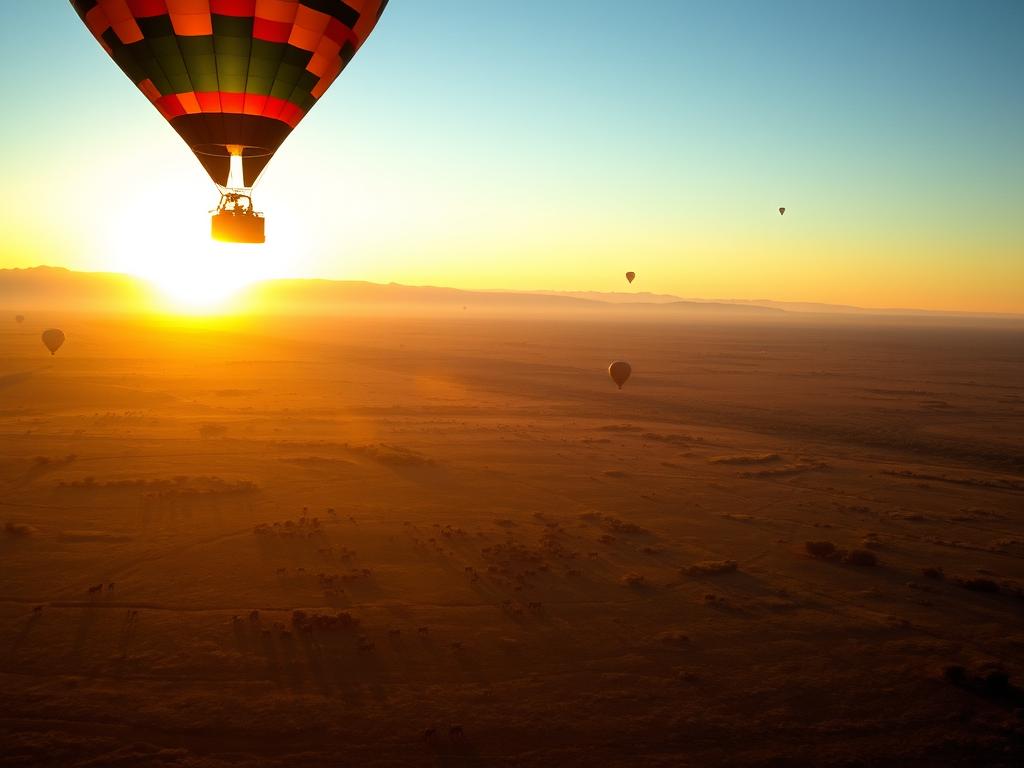
Hot Air Balloon Safaris
For a truly memorable experience, hot air balloon safaris offer a bird’s-eye view of the park at sunrise. Floating silently above the savannah provides unique perspectives of wildlife and landscapes, followed by a champagne breakfast in the bush.
Forest Walks
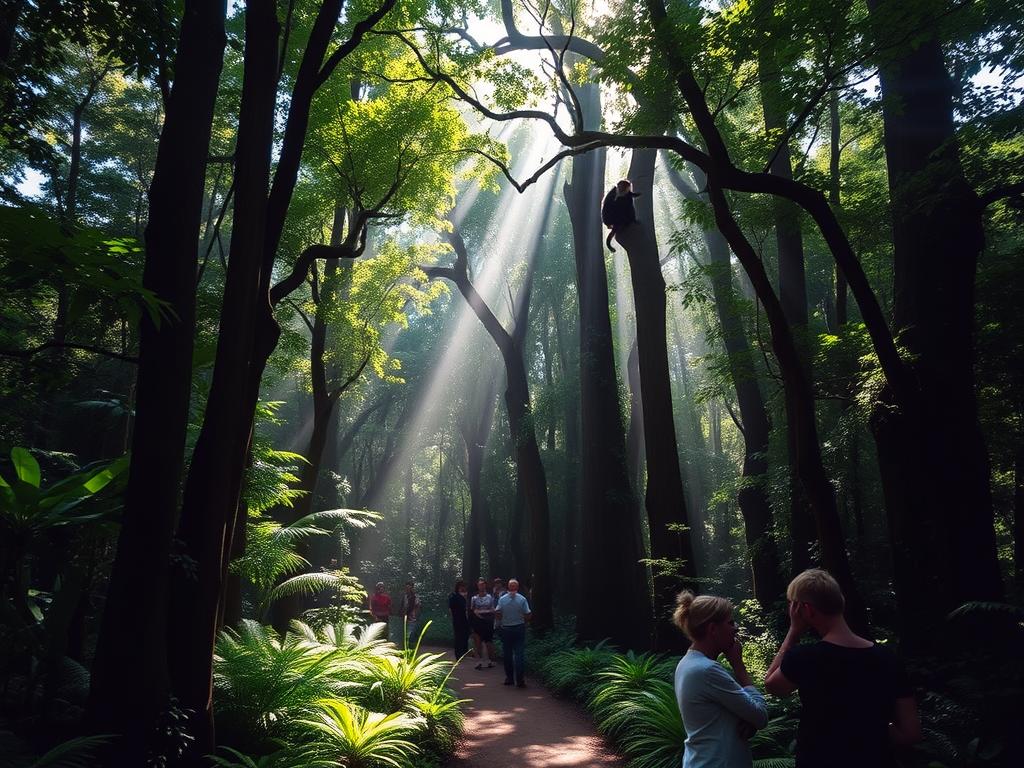
Guided walks through Maramagambo Forest reveal a different side of the park. These walks showcase the forest’s diverse plant life and offer opportunities to spot forest-dwelling primates, birds, and butterflies. Key attractions include the Blue Lake and Bat Cave.
Community Tours
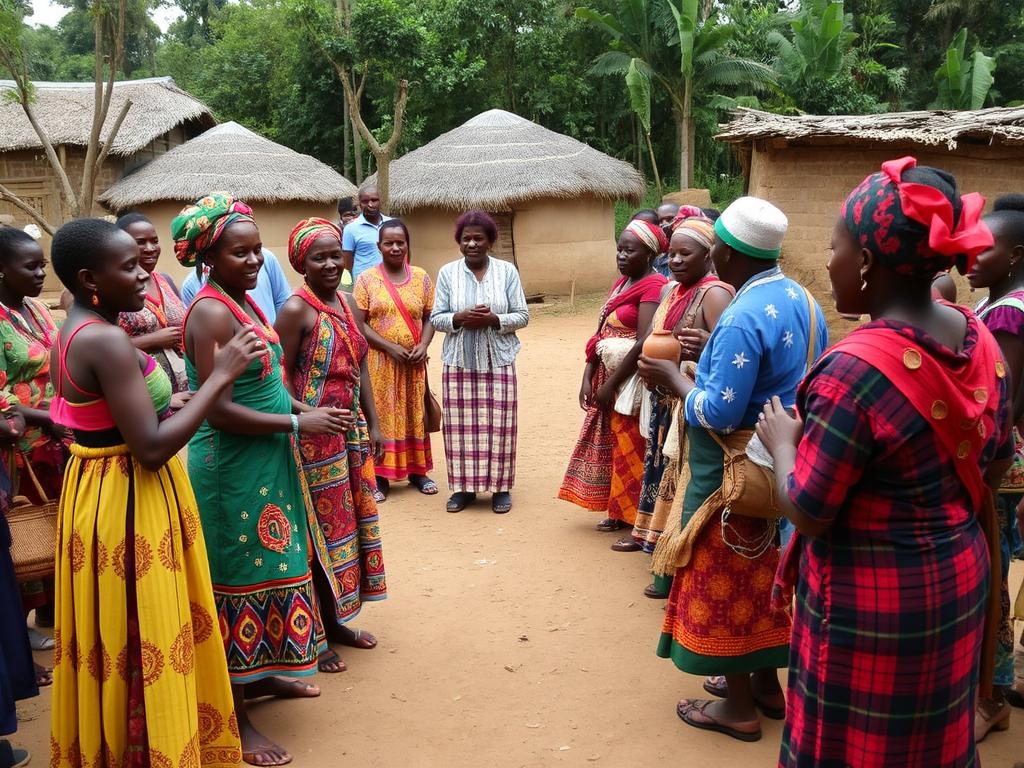
Visits to local communities surrounding the park offer cultural insights and support sustainable tourism. Activities include traditional dance performances, craft demonstrations, and community walks. The Kikorongo Women’s Group and Leopard Village are popular community tourism initiatives.
Create Your Perfect Safari Itinerary
Combine wildlife viewing, boat cruises, chimpanzee tracking, and cultural experiences for an unforgettable Uganda adventure.
Travel Tips for Queen Elizabeth National Park
Planning a Queen Elizabeth National Park trip requires some preparation to ensure a smooth and enjoyable experience. Here are essential tips to help you make the most of your visit to this remarkable wildlife sanctuary.
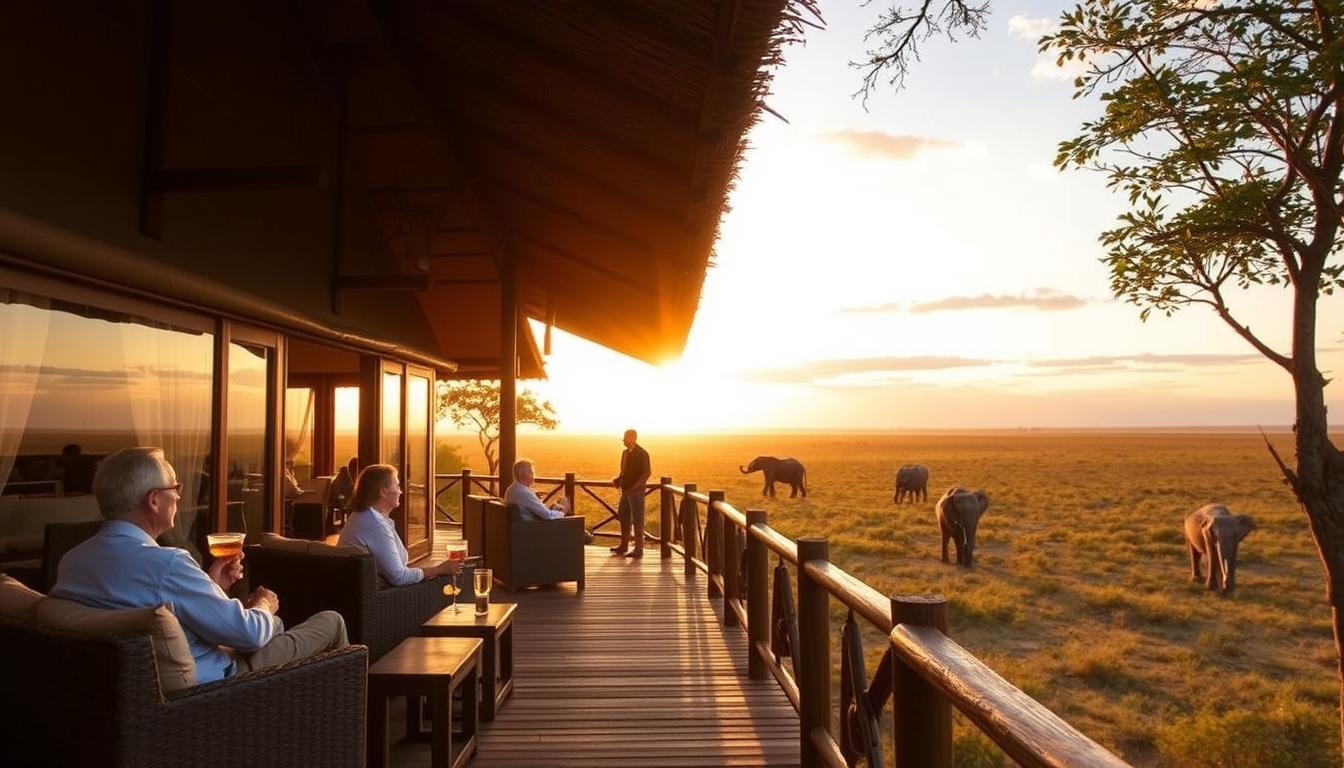
Accommodation options in Queen Elizabeth National Park range from luxury lodges to budget-friendly camps
Best Time to Visit
Queen Elizabeth National Park can be visited year-round, but certain seasons offer advantages:
- Dry Seasons (June-September and December-February): Ideal for wildlife viewing as animals gather around water sources, and vegetation is less dense
- Wet Seasons (March-May and October-November): These are better for bird watching and photography, with lush landscapes, but some roads may become challenging to navigate.
- Peak Tourist Season: July-August and December-January see higher visitor numbers and accommodation rates
- Birding Peak Season: November-April,l when migratory birds are present
Accommodation Options
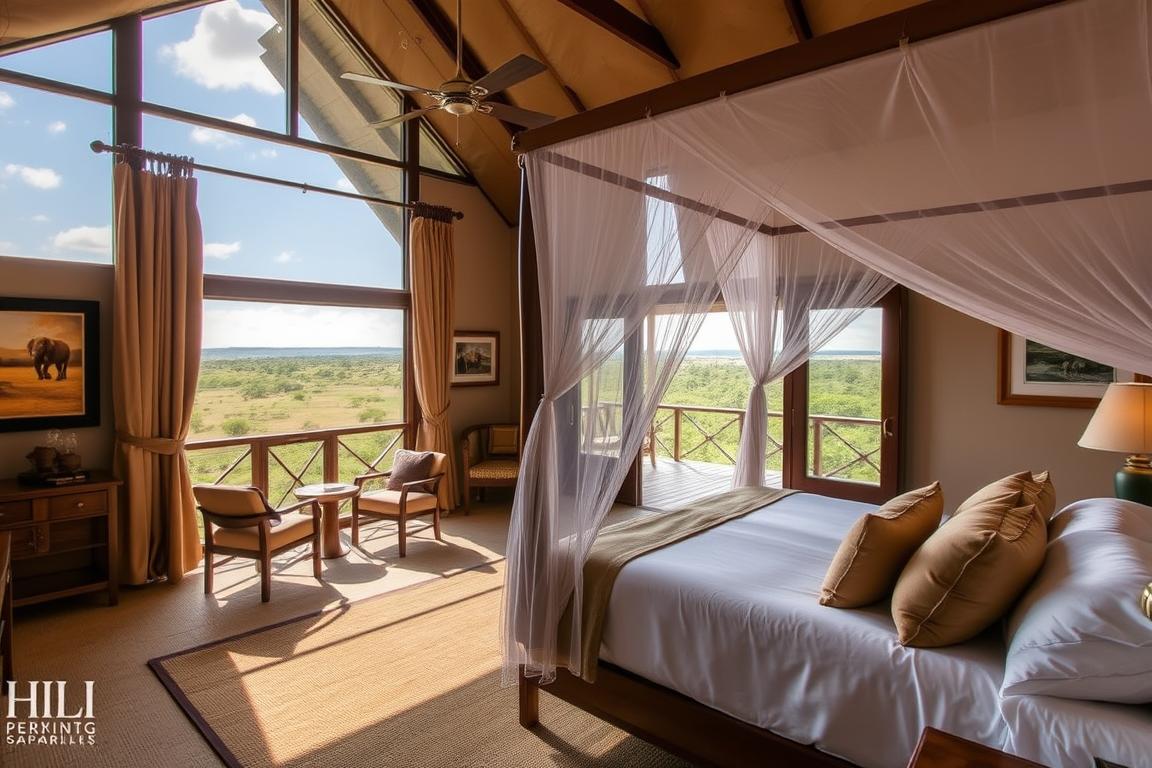
The park offers a range of accommodation options to suit different budgets:
- Luxury: Mweya Safari Lodge, Kyambura Gorge Lodge, Ishasha Wilderness Camp
- Mid-range: Buffalo Safari Lodge, Enganzi Lodge, Ihamba Lakeside Safari Lodge
- Budget: Pumba Safari Cottages, Elephant Hab Lodge, Bush Lodge
- Camping: Mweya Campsite, Ishasha Campsite (bring your equipment or rent on-site)
Booking is essential, especially during peak seasons. Most lodges include a full board and some activities at their rates.
Park Fees and Permits
| Category | Fee (USD) | Duration | Notes |
| Foreign Non-Resident Entry | $40 | 24 hours | Per person |
| Foreign Resident Entry | $30 | 24 hours | Proof of residency required |
| East African Citizen | UGX 20,000 | 24 hours | ID required |
| Vehicle Fee | $30-150 | 24 hours | Depends on vehicle size |
| Boat Cruise | $30 | 2 hours | Per person |
| Chimpanzee Tracking | $50 | Half-day | Permit required, book in advance |
Getting There
Queen Elizabeth National Park is located approximately 400 kilometres from Kampala. Options for reaching the park include:
- Road: 6-7 hour drive from Kampala via Mbarara on well-maintained roads
- Air: Daily flights from Entebbe to Kasese or Mweya airstrips (1-hour flight)
- Public Transport: Buses to nearby towns of Kasese or Bushenyi, then arrange local transport to the park
Essential Packing List
- Lightweight, neutral-colored clothing (avoid bright colours and blue, which attracts tsetse flies)
- Long-sleeved shirts and pants for protection from the sun and insects
- Sturdy walking shoes or hiking boots
- Hat, sunglasses, and high-SPF sunscreen
- Insect repellent with DEET
- Binoculars and a camera with a zoom lens
- Reusable water bottle
- Basic first aid kit and personal medications
- Flashlight or headlamp
Get Your Free Travel Guide
Download our comprehensive Queen Elizabeth National Park travel guide with detailed maps, packing lists, and insider tips.
Conservation Efforts in Queen Elizabeth National Park
Queen Elizabeth National Park faces numerous conservation challenges, including poaching, human-wildlife conflict, and habitat encroachment. However, several initiatives are working to protect the park’s biodiversity and ensure its survival for future generations.
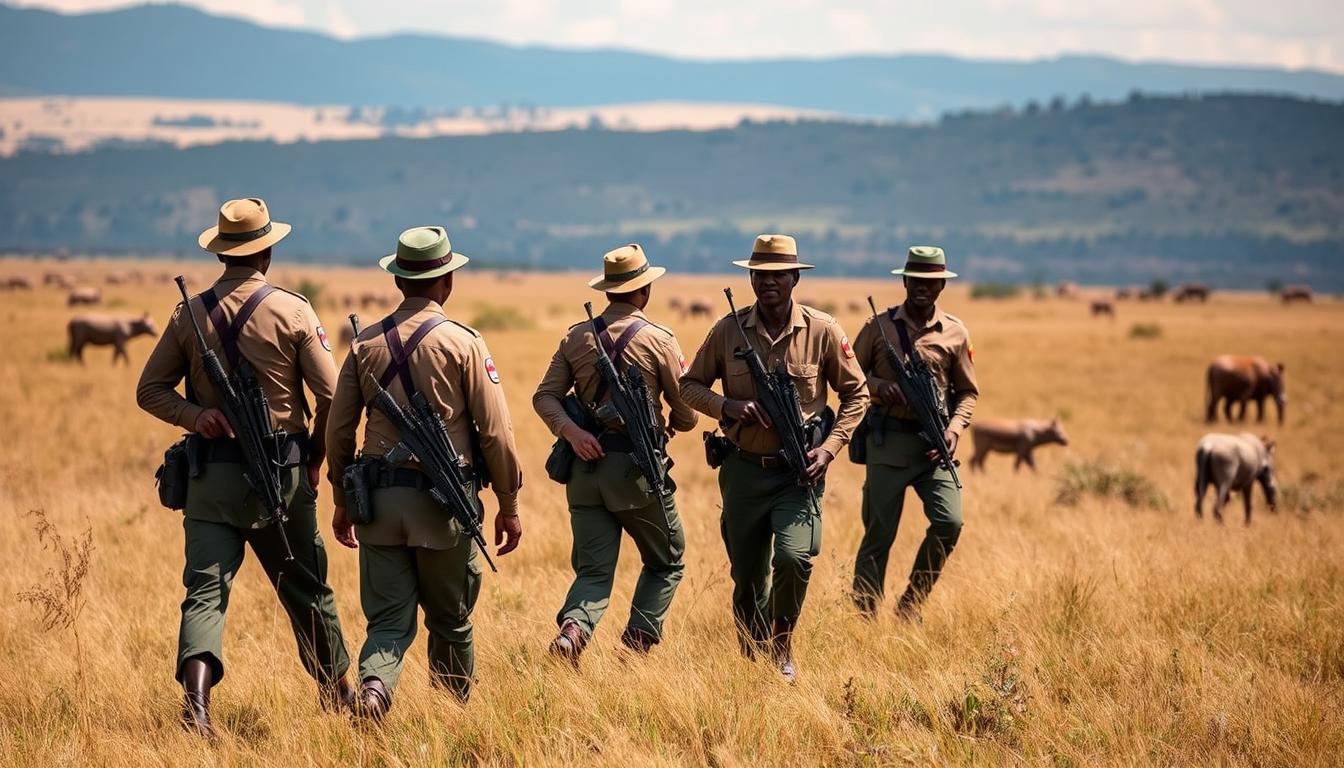
Rangers are crucial in protecting the park’s wildlife from poaching and other threats.
Anti-Poaching Initiatives
Poaching remains a significant threat to wildlife in the park, particularly elephants and lions. Conservation efforts include:
- Ranger patrols are equipped with modern technology to monitor and protect wildlife
- Aerial surveillance to detect poaching activities across the vast landscape
- Snare removal programs that have successfully reduced wildlife injuries and deaths
- Intelligence networks working with local communities to prevent poaching
Human-Wildlife Conflict Mitigation
As human populations grow around the park, conflicts with wildlife increase. Programs addressing these challenges include:
- Trenches and beehive fences to deter elephants from raiding crops
- Rapid response teams to address wildlife incursions into community areas
- Compensation schemes for farmers who lose crops or livestock to wildlife
- Educational programs to promote coexistence with wildlife
Community-Based Conservation
Sustainable conservation requires local community support. Community-based initiatives include:
- Revenue sharing programs that direct a percentage of park fees to community development
- Alternative livelihood projects reducing dependence on park resources
- Environmental education in local schools
- Community-owned tourism enterprises providing economic benefits from conservation
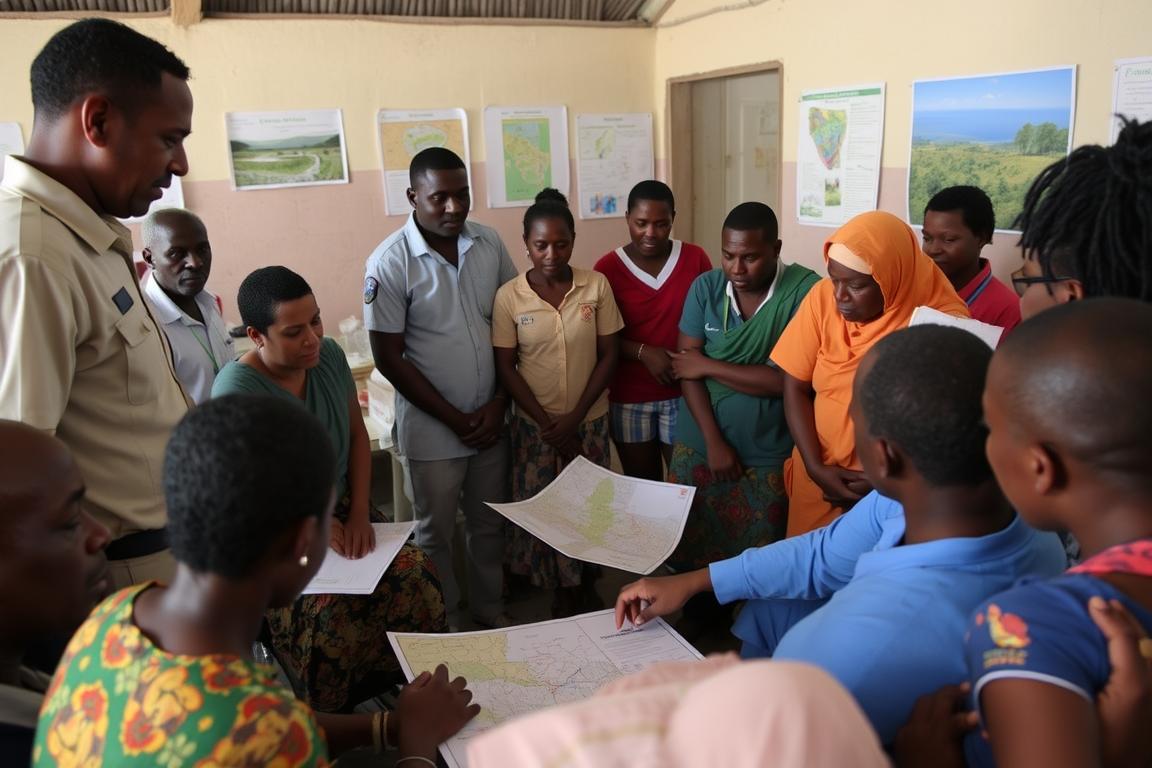
Research and Monitoring
Scientific research guides conservation efforts in the park:
- Population monitoring of key species, including lions, elephants, and hippos
- Research on tree-climbing lion behaviour and ecology
- Climate change impact studies
- Habitat restoration experiments in degraded areas
Support Wildlife Conservation
Your visit helps fund conservation efforts in Queen Elizabeth National Park. Learn how you can contribute directly to protecting Uganda’s wildlife.
Queen Elizabeth National Park Map
Queen Elizabeth National Park covers a vast area with diverse attractions across different sectors. This map highlights key areas, including the Mweya Peninsula, Ishasha Sector, Kyambura Gorge, and major game viewing areas, to help you plan your visit effectively.
Interactive map of Queen Elizabeth National Park showing major attractions and access points
Experience the Magic of Queen Elizabeth National Park
Queen Elizabeth National Park offers an extraordinary safari experience that combines diverse wildlife, stunning landscapes, and authentic cultural encounters. From the unique tree-climbing lions of Ishasha to the hippo-filled waters of the Kazinga Channel, the park showcases Uganda’s natural treasures in all their glory.
As one of Africa’s most biodiverse protected areas, Queen Elizabeth National Park promises unforgettable wildlife encounters while supporting vital conservation efforts. Whether you’re a seasoned safari enthusiast or a first-time visitor to Africa, the park promises memories that will last a lifetime.
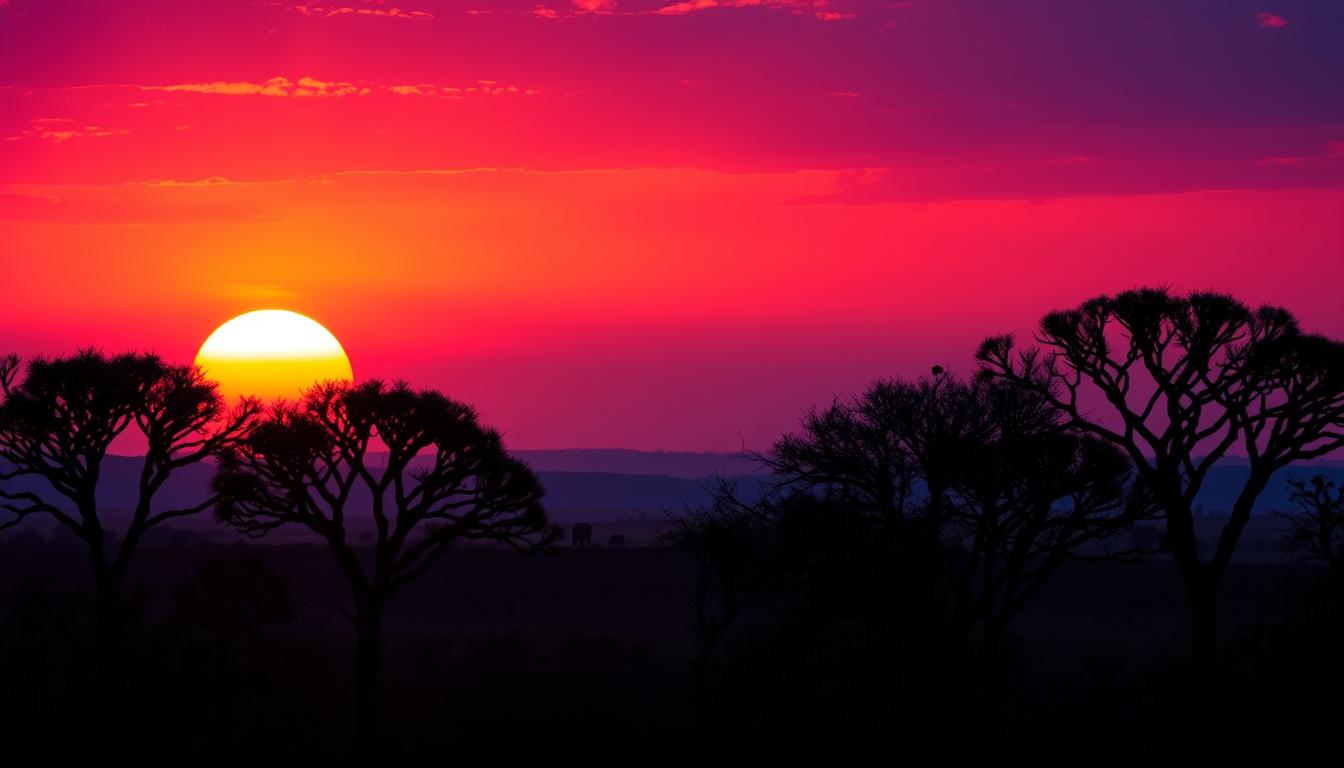
The magical sunsets of Queen Elizabeth National Park create unforgettable memories for visitors.
Start Your Uganda Safari Journey
Ready to explore the wonders of Queen Elizabeth National Park? Contact our safari specialists to create your perfect Uganda adventure.